

Decorating a small living room comes with its own set of challenges. You want the space to feel open and comfortable, not cramped or cluttered, and every piece of furniture has to earn its spot. The good news is that with the right choices, even a tiny living room can feel spacious, stylish, and functional.
Here are 25 small living room decorating ideas that actually work, along with practical tips you can use right away:
Why Small Living Rooms Need a Different Approach
Small spaces don’t just need less furniture; they need smarter furniture, better use of light, and a color palette that opens things up instead of closing them in. A few thoughtful changes can make a tight room feel twice its size.
1. Choose Light, Airy Wall Colors
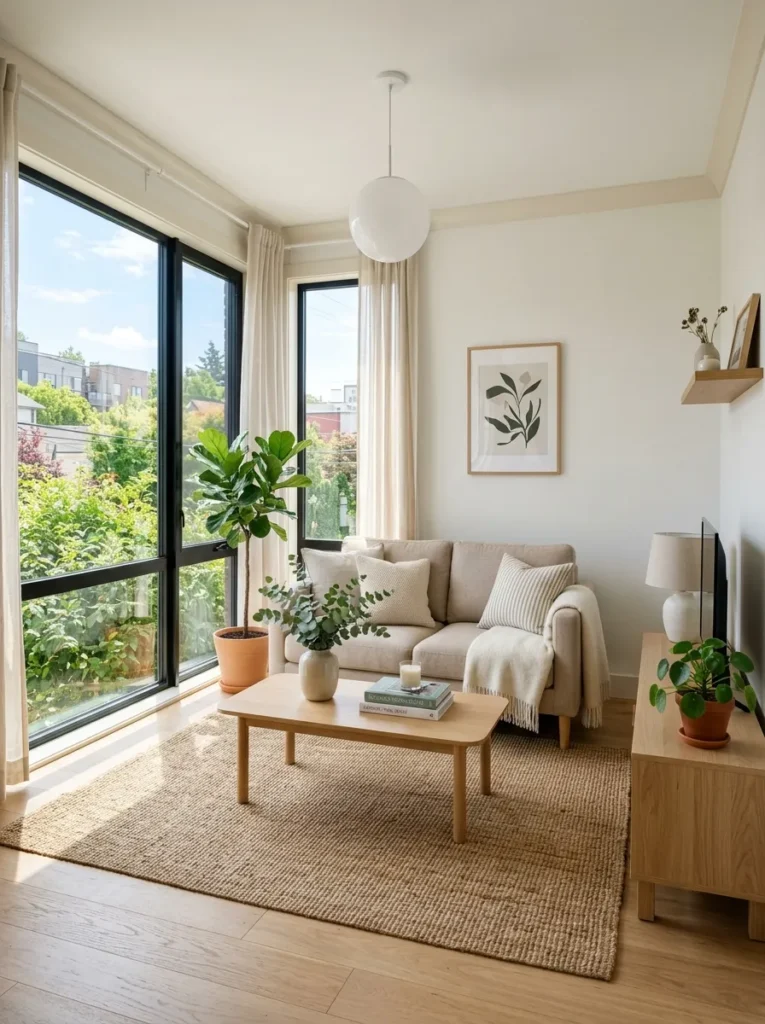
Soft whites, light grays, and warm off-whites reflect more light and make walls feel like they’re pushed further back. Darker colors can still work as accents, but keep the majority of your walls light if square footage is limited.
2. Use Mirrors to Add Depth
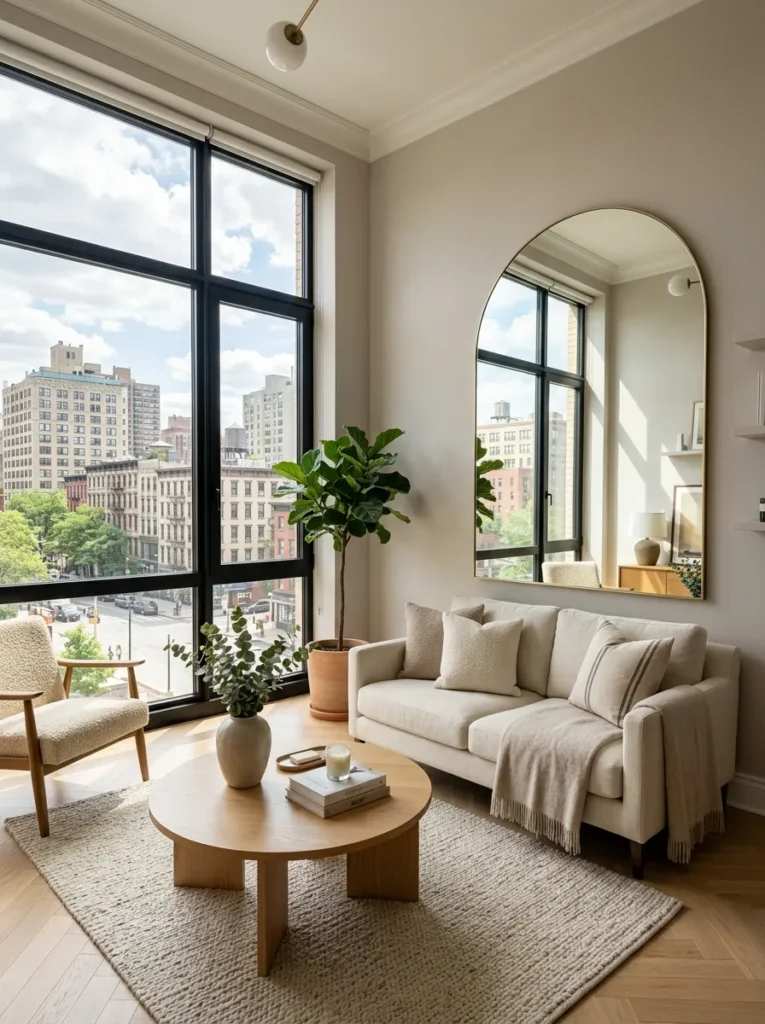
A large mirror placed across from a window bounces natural light around the room and creates the illusion of extra space. Even a few smaller mirrors grouped can have a similar effect.
3. Pick Furniture With Visible Legs
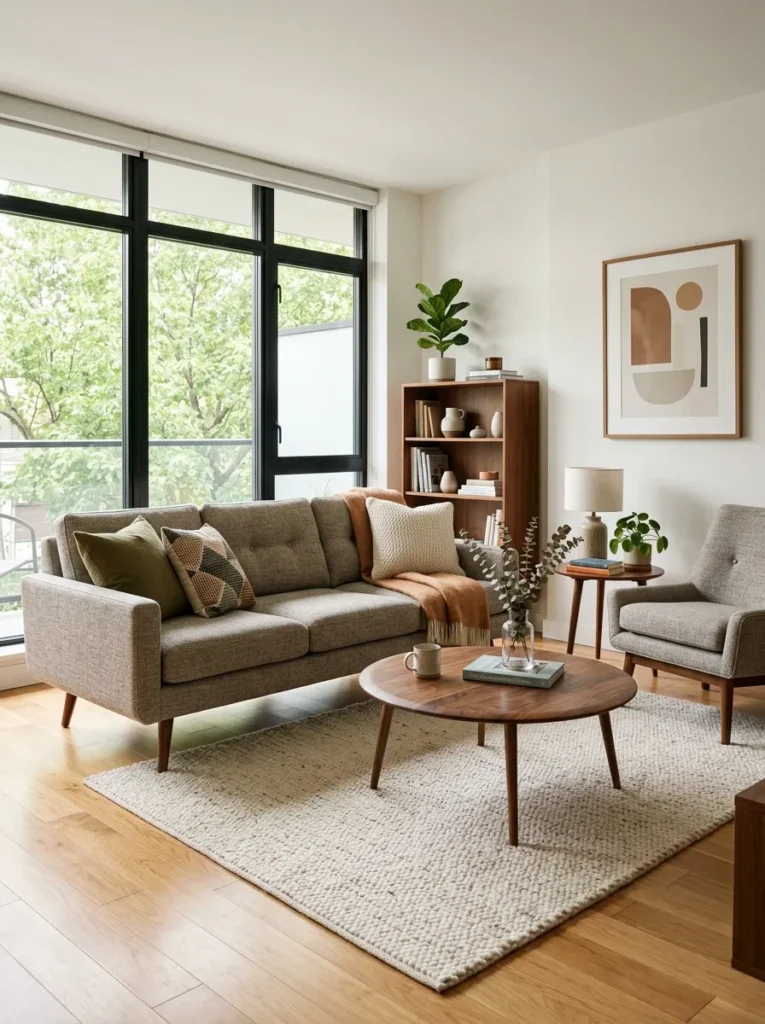
Sofas and chairs that sit low to the ground or have skirts touching the floor can make a room feel heavier. Furniture with slim, visible legs lets light pass underneath, which keeps the room feeling open.
4. Go for Multi-Functional Pieces
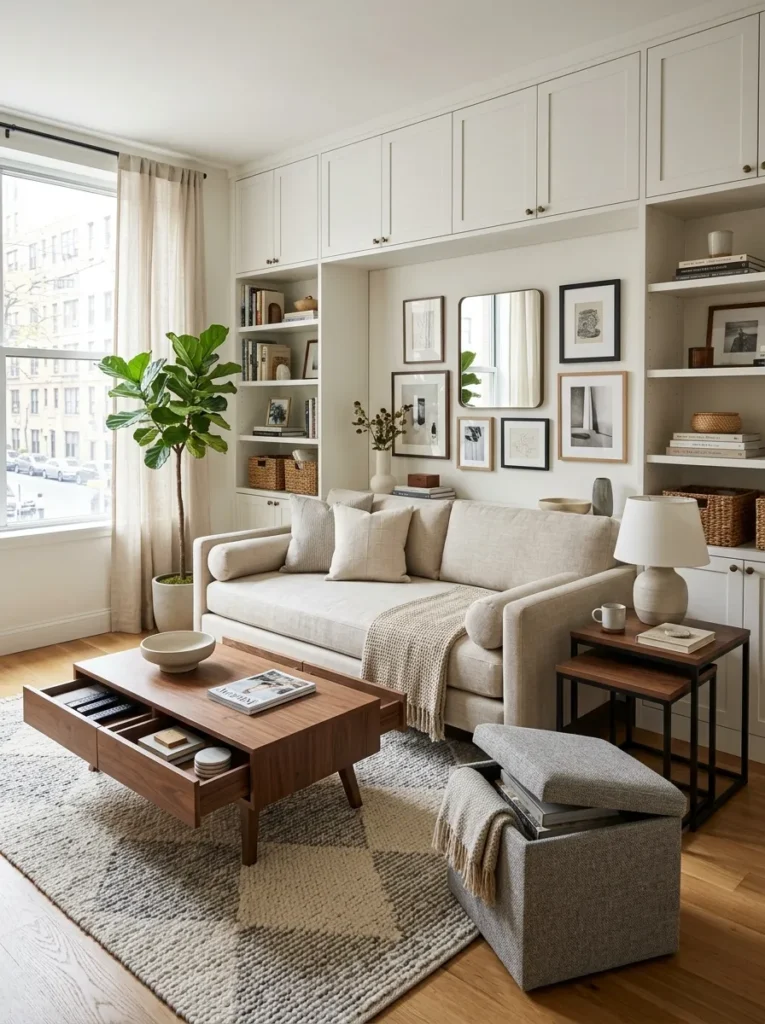
In a small living room, every item should do more than one job.
- An ottoman that doubles as storage and extra seating
- A coffee table with drawers or shelves underneath
- A daybed that works as both a sofa and a guest bed
- Nesting tables that separate when you need more surface space
5. Scale Down Your Furniture
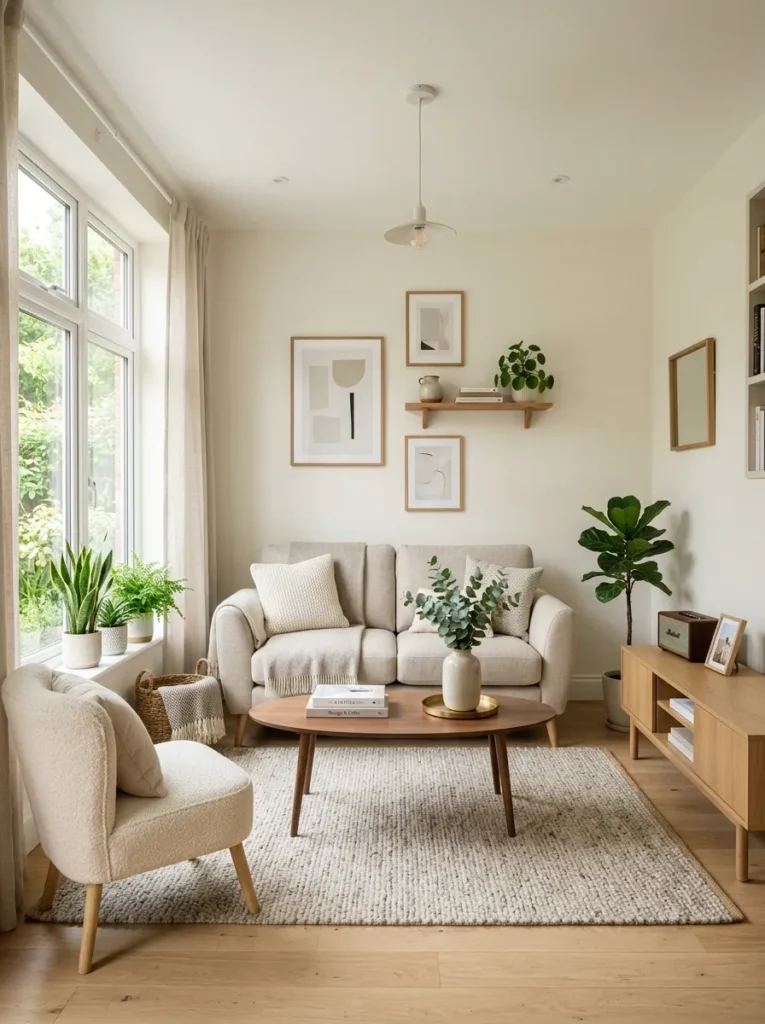
Oversized sofas and huge sectionals can overwhelm a small room. Choose appropriately sized pieces that fit the scale of the space, and measure carefully before buying anything new.
6. Float Furniture Away From Walls When Possible
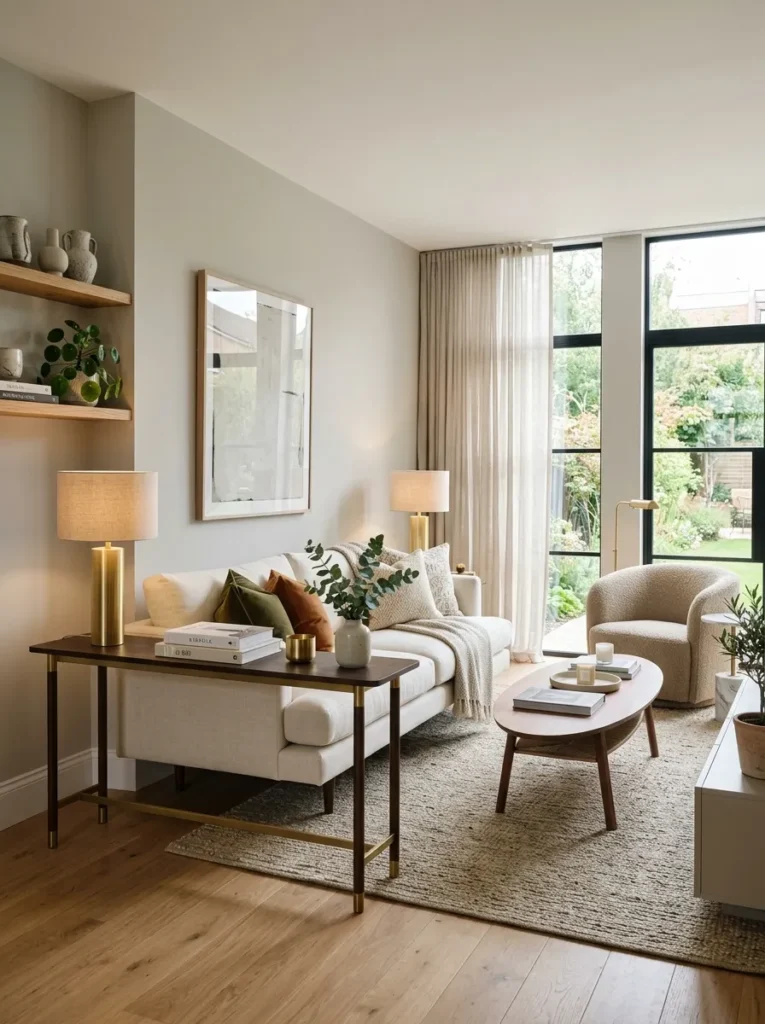
It sounds backward, but pulling a sofa a few inches off the wall and adding a slim console behind it can actually make a room feel more intentional and less like everything is pushed to the edges out of necessity.
7. Use Vertical Space With Tall Shelving
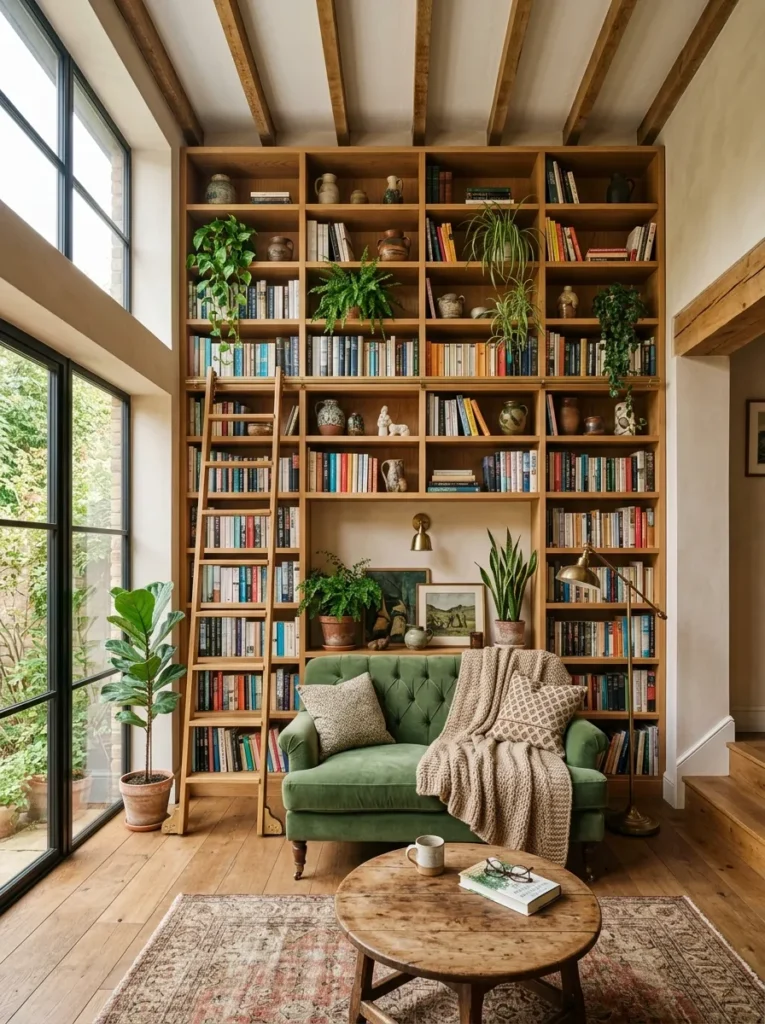
When floor space is limited, build up instead of out. Tall, narrow bookshelves draw the eye upward and give you storage without taking up much floor area.
8. Add Floating Shelves Instead of Bulky Furniture
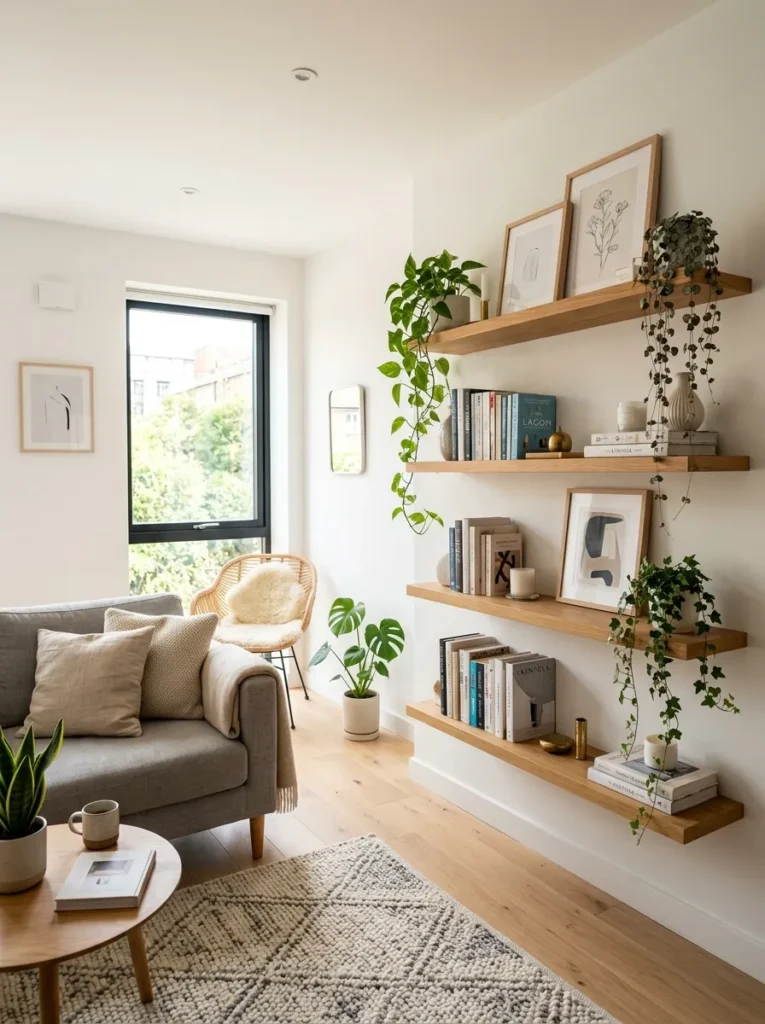
Floating shelves hold books, plants, and decor without the visual weight of a full cabinet. They’re a great alternative to a large media console or bookshelf in a tight room.
9. Stick to a Simple Color Scheme
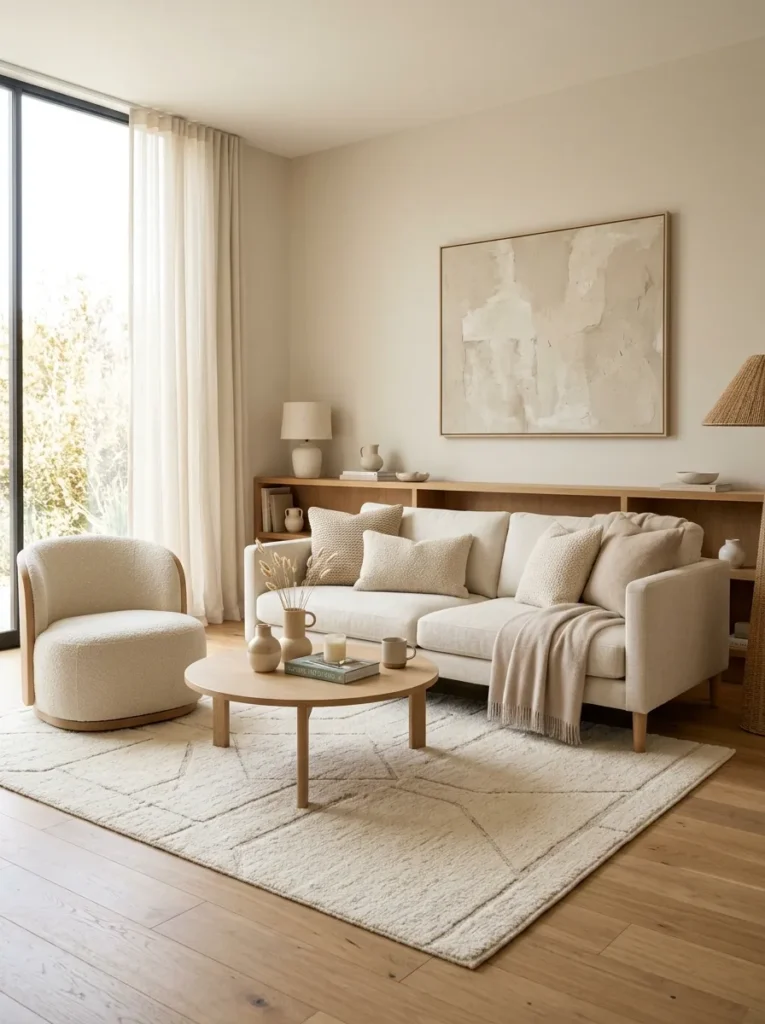
Too many colors and patterns can make a small space feel busy and chaotic. Pick two or three main colors and repeat them through pillows, art, and accessories for a calm, cohesive look.
10. Use a Rug to Define the Space
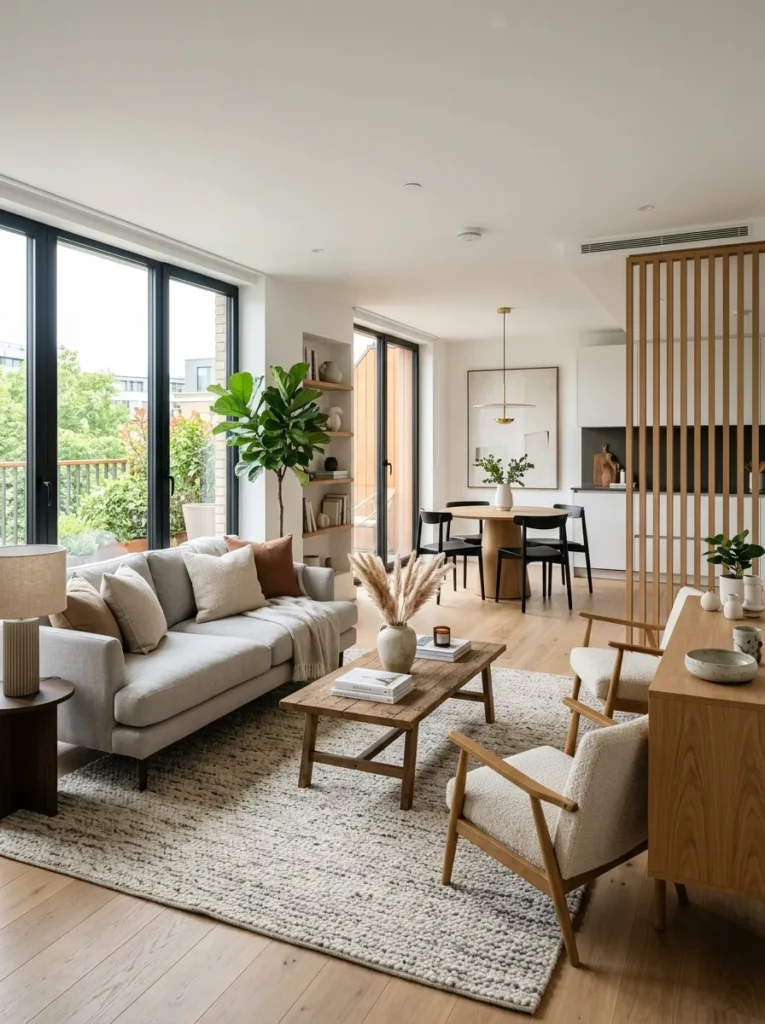
A rug can visually separate your living area from the rest of an open floor plan. Choose a size large enough that your main furniture pieces sit at least partially on it, rather than a small rug floating in the middle of the room.
11. Hang Curtains High and Wide
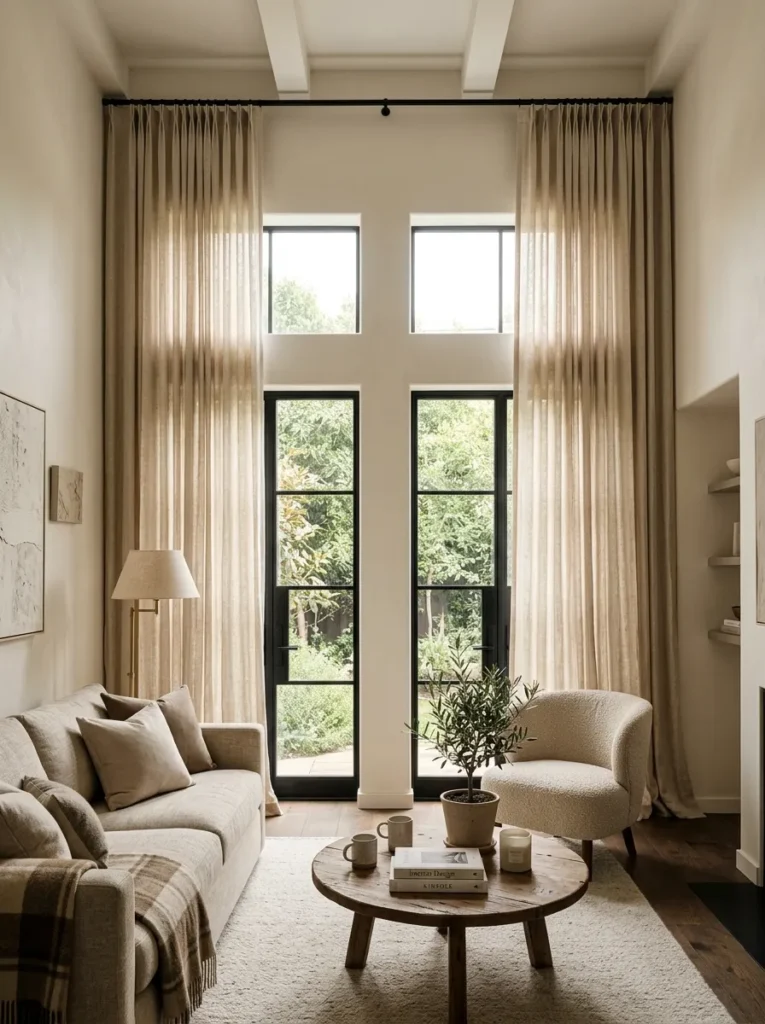
Mounting curtain rods closer to the ceiling and extending them past the window frame makes windows look bigger, and ceilings look taller. It’s a simple trick that instantly opens up a room.
12. Choose a Sofa With Slim Arms
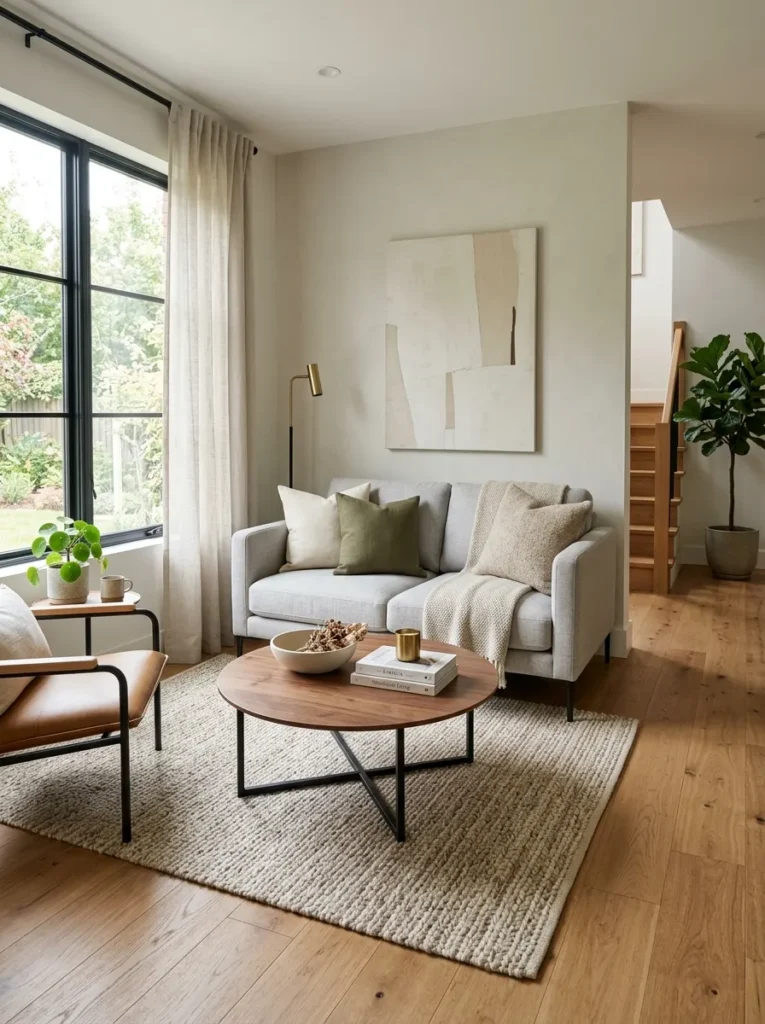
Chunky armrests eat into your seating space fast. A sofa with slim, tailored arms gives you more usable seating in the same footprint.
13. Use Glass or Acrylic Furniture
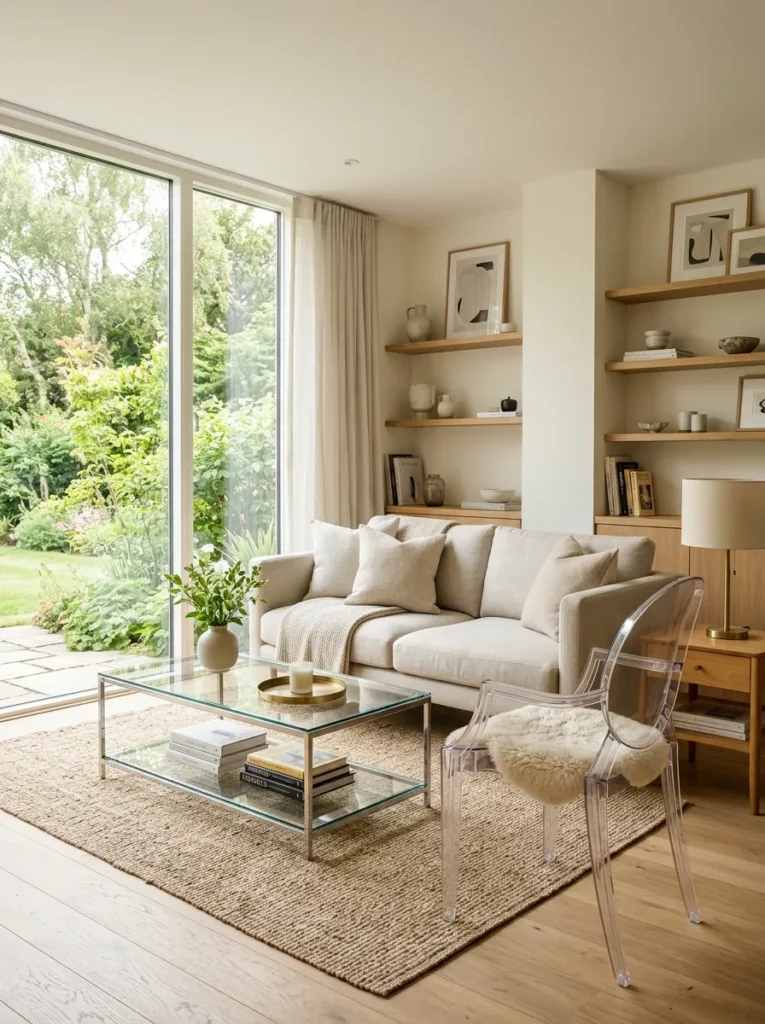
See-through materials like glass coffee tables or acrylic chairs take up visual space without blocking sightlines. They’re especially useful in a room where every added piece of furniture starts to feel like a lot.
14. Keep Window Treatments Light
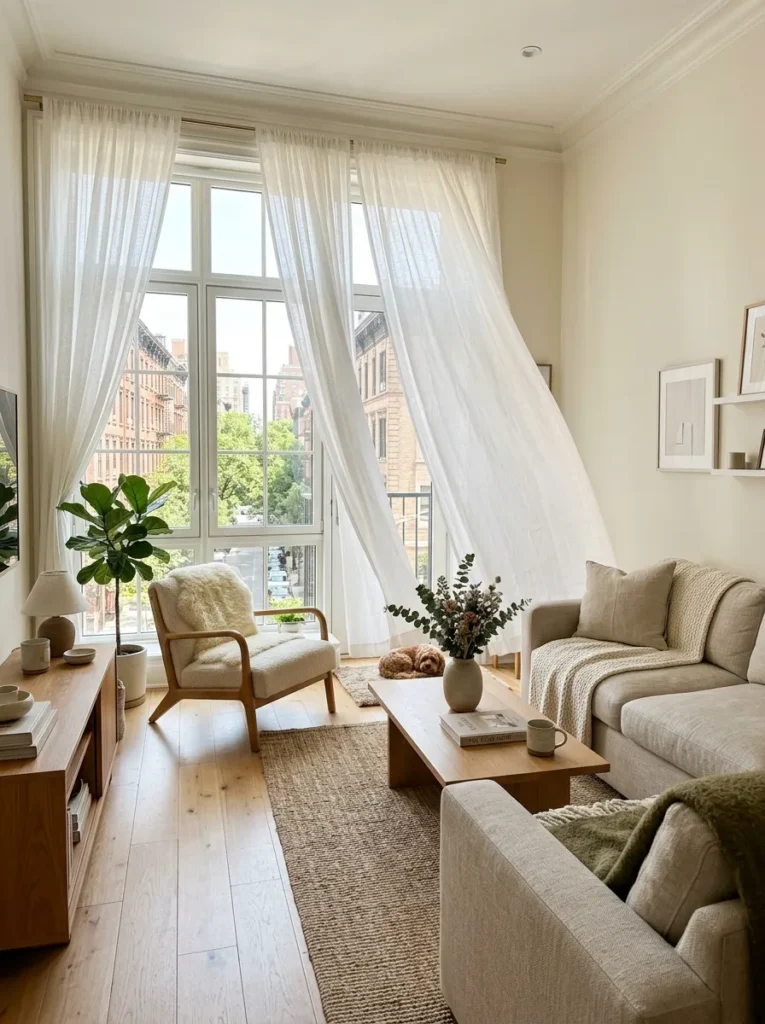
Heavy drapes can shrink a small room. Stick to sheer curtains, light linen panels, or simple blinds that let in as much natural light as possible.
15. Add a Statement Mirror as Wall Art
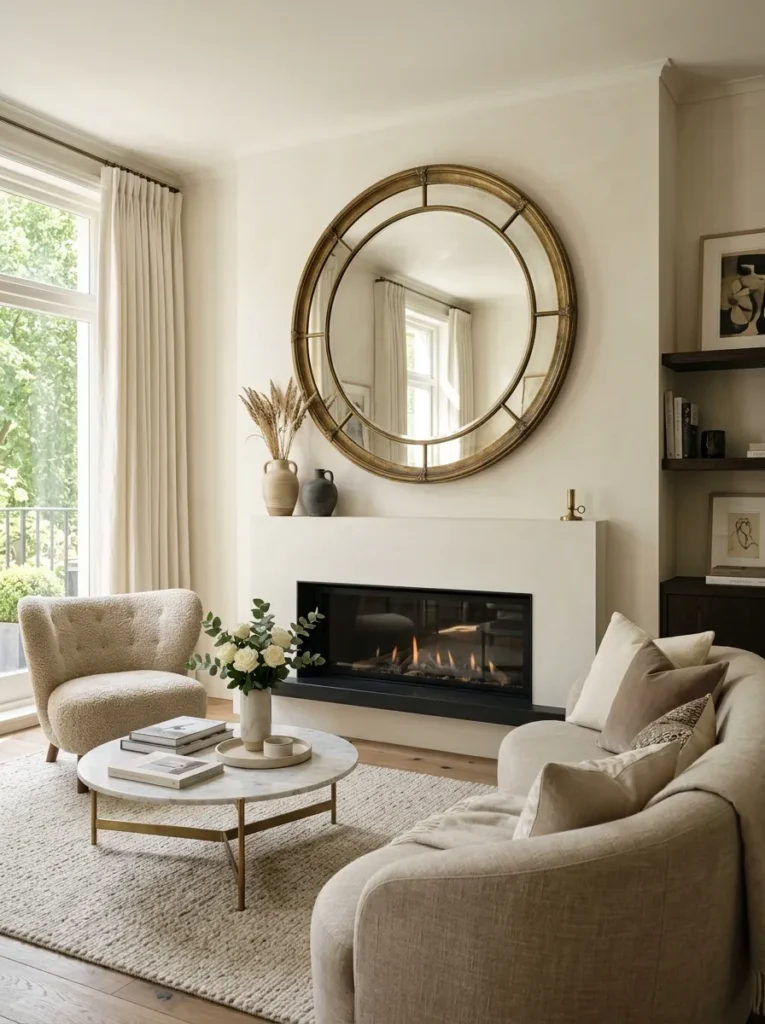
Instead of a framed print, hang a decorative mirror on your main wall. You get the visual interest of art along with the space-improving benefits of a mirror.
16. Use Wall Mounted Lighting
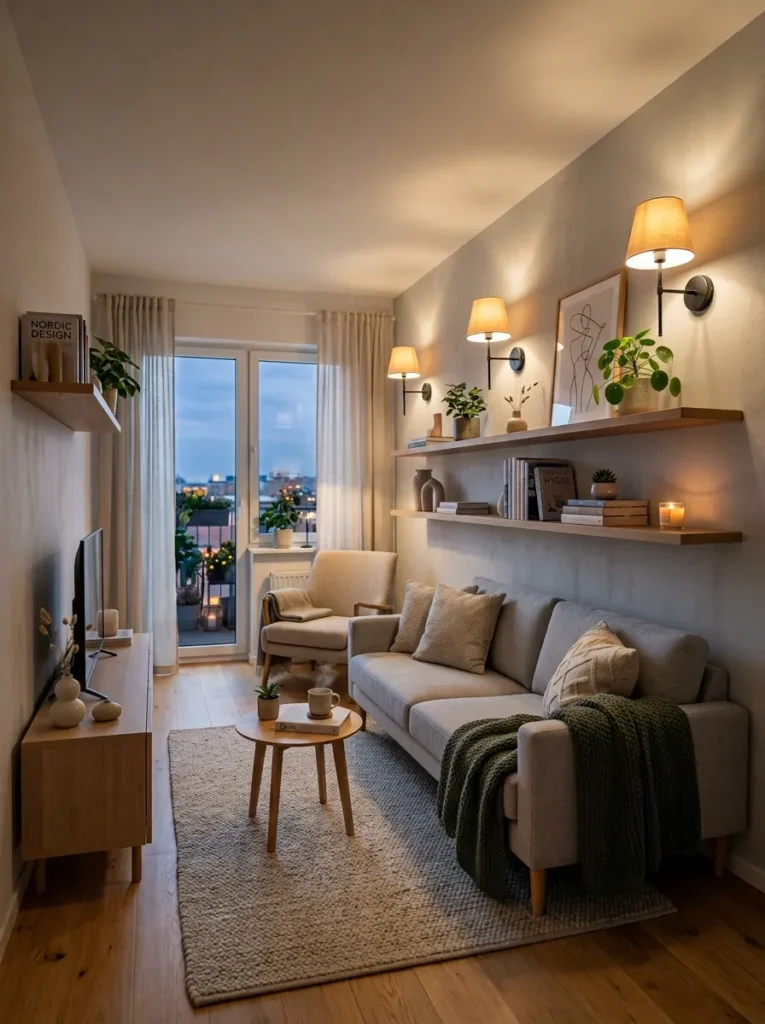
Floor and table lamps take up surface and floor space you might not have to spare. Wall sconces or plug-in wall lights free up that space while still giving you good ambient light.
17. Choose a Small Scale Coffee Table
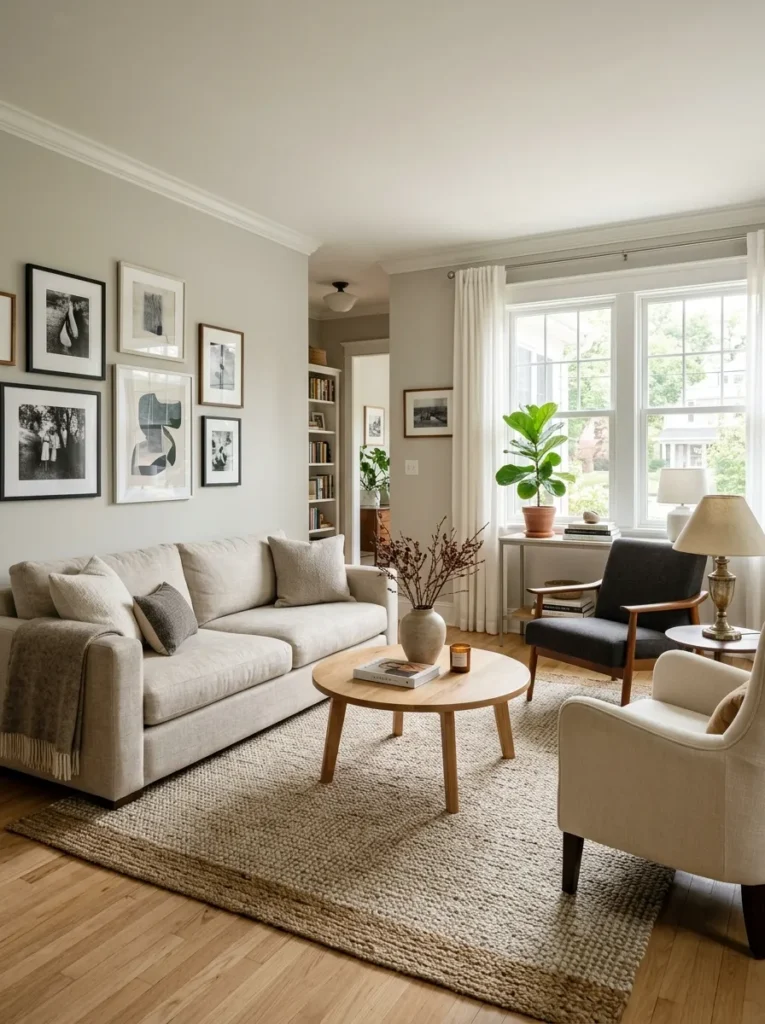
A massive coffee table can dominate a small living room. Go for a smaller round or oval table, or a nesting set that can expand when you actually need the extra surface.
18. Create Zones Within the Room
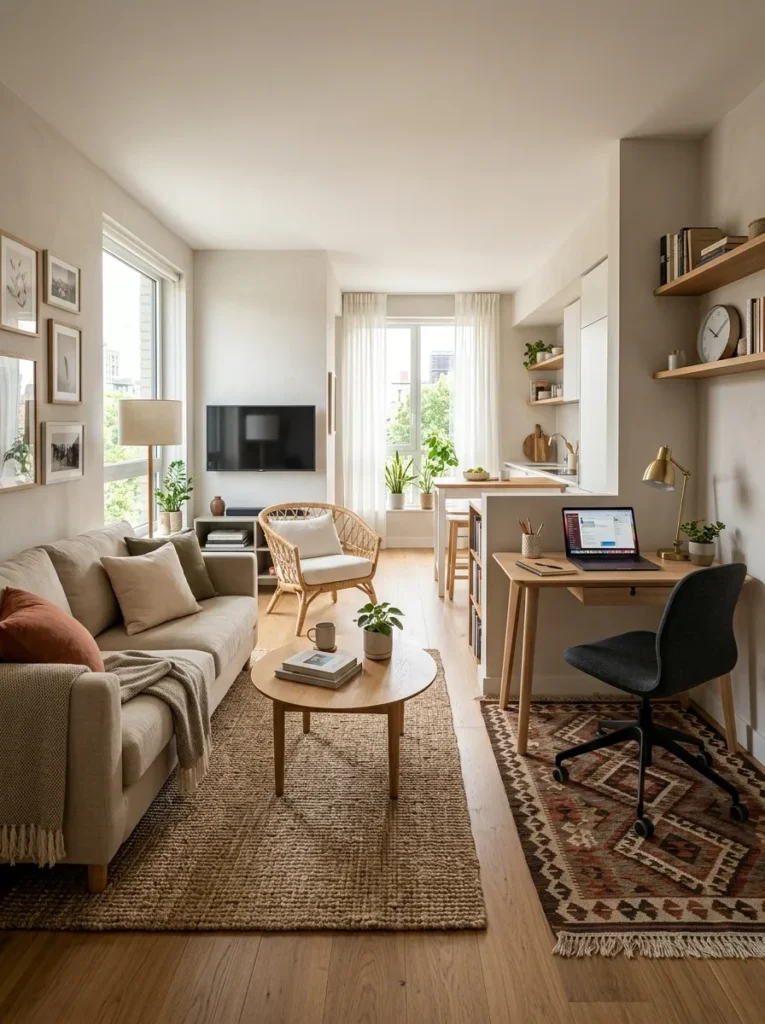
If your living room shares space with a dining or work area, use a rug, a bookshelf, or the angle of your furniture to define each zone without needing walls or dividers.
19. Avoid Overcrowding With Decor
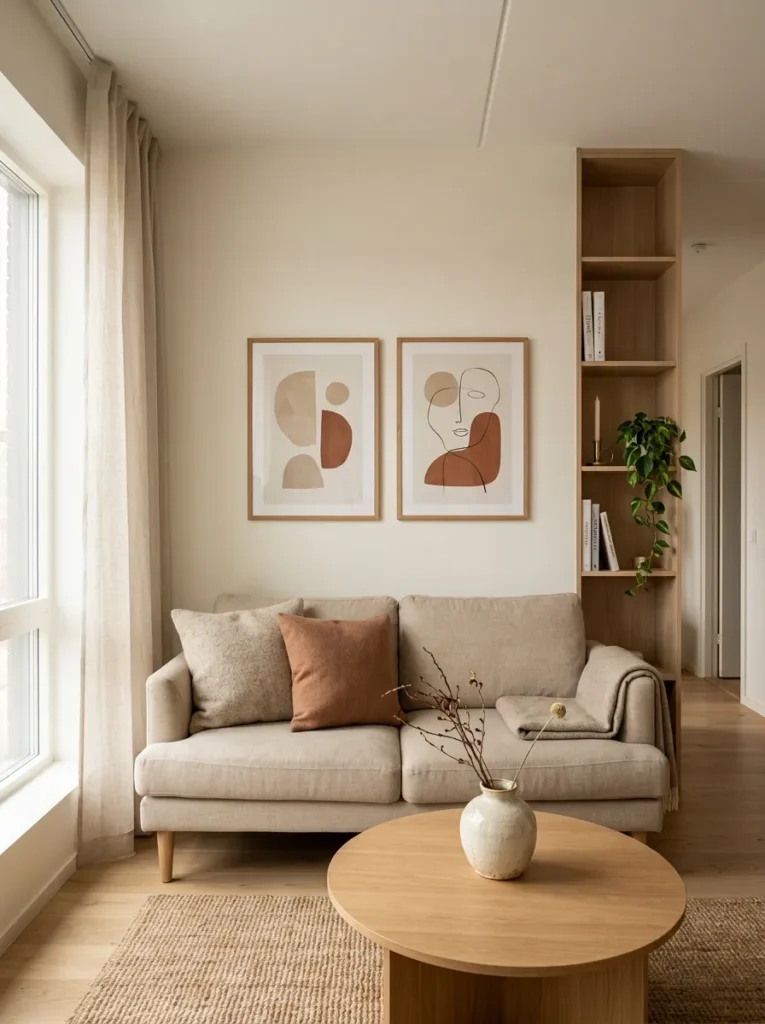
It’s tempting to fill every surface, but too many small objects make a room feel cluttered fast. Choose a few meaningful pieces and give them room to breathe instead of covering every shelf and table.
20. Use Corner Space Wisely
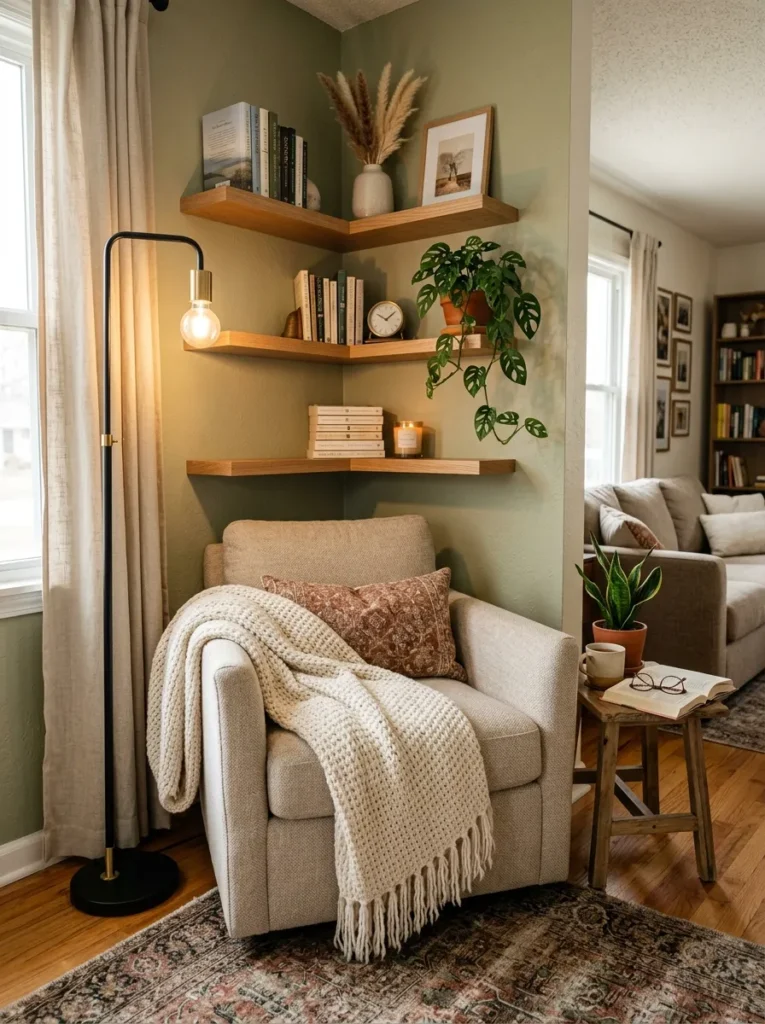
Corners are often wasted space. A small corner shelf, a slim accent chair, or a corner-facing sectional can put that area to good use without crowding the rest of the room.
21. Add a Fold-Down or Extendable Table
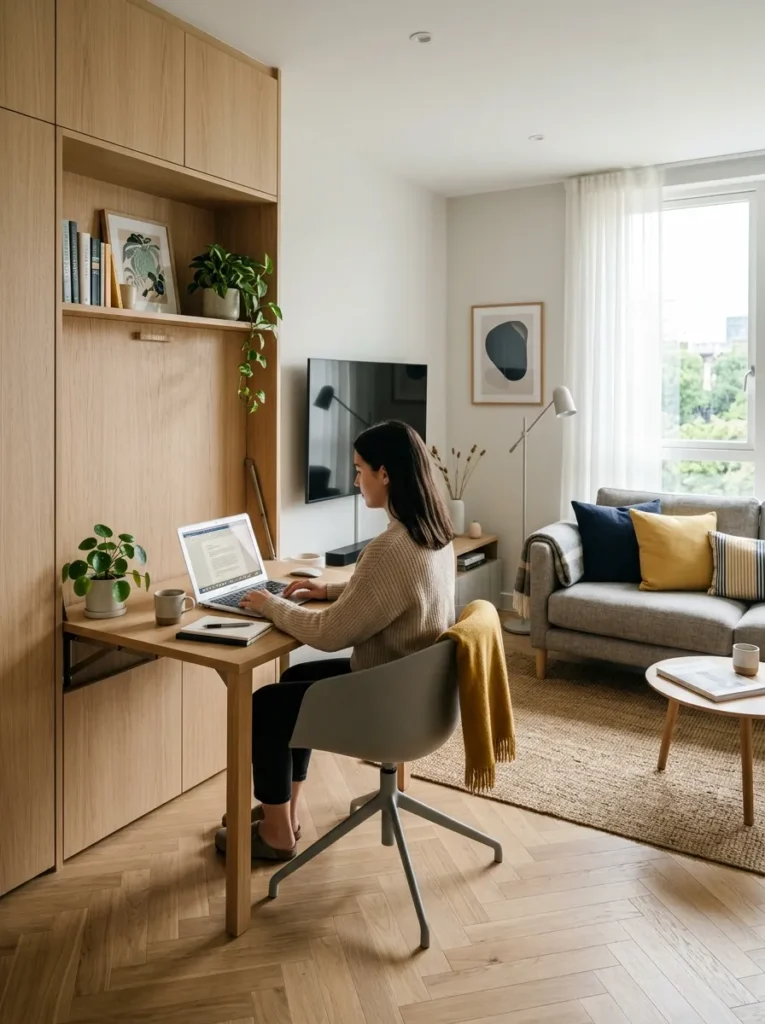
If you sometimes need extra surface space for guests or projects, a fold-down wall table or an extendable side table gives you flexibility without permanently taking up room.
22. Choose Furniture in Matching Tones
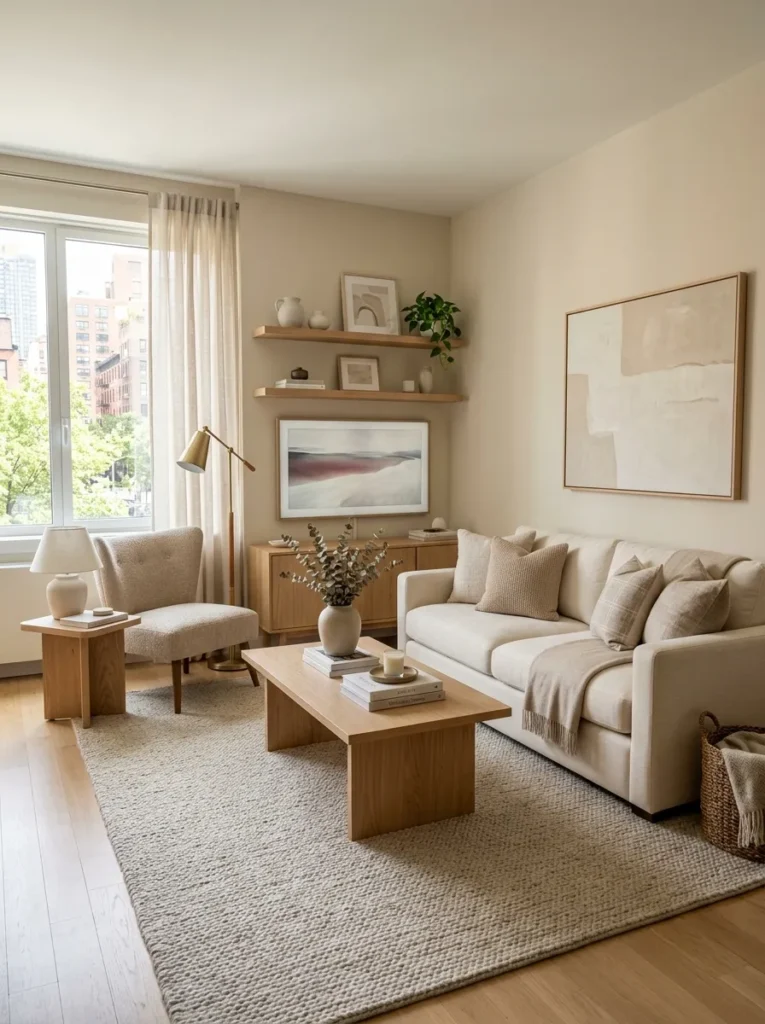
When your sofa, chairs, and tables share similar tones, the eye reads them as one continuous space rather than separate, competing pieces. This visually simplifies the room and makes it feel larger.
23. Use Vertical Stripes or Patterns
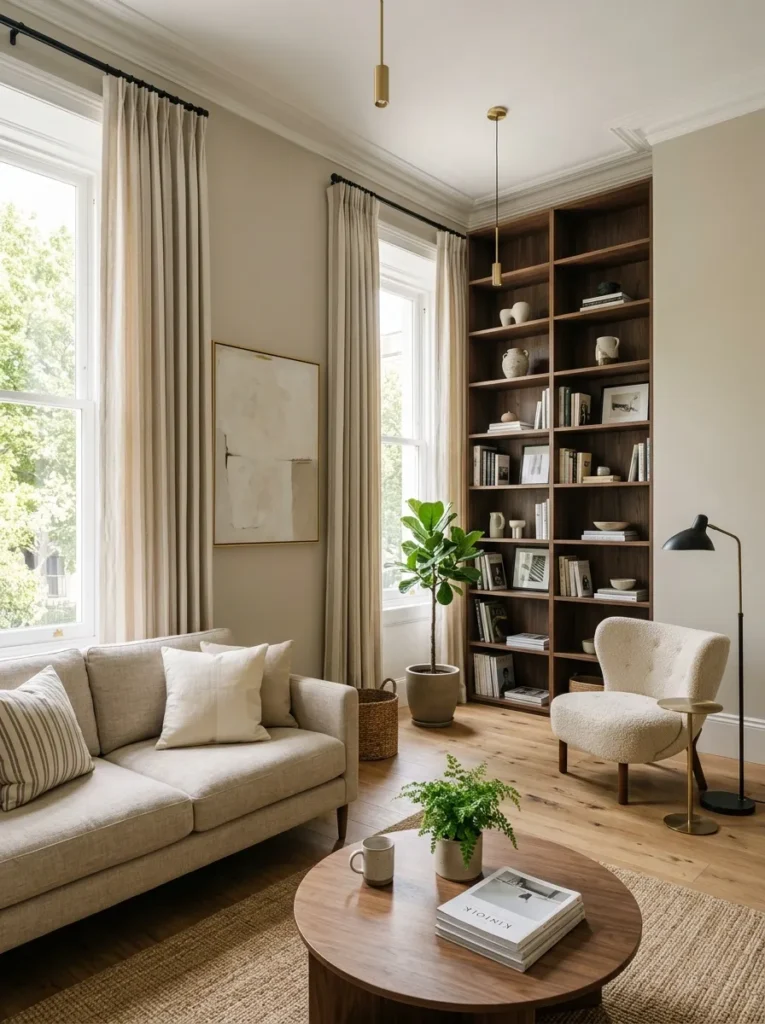
Vertically striped curtains, wallpaper, or even a tall bookshelf draw the eye upward, which makes ceilings feel higher and the whole room feel less boxed in.
24. Keep Cords and Clutter Hidden
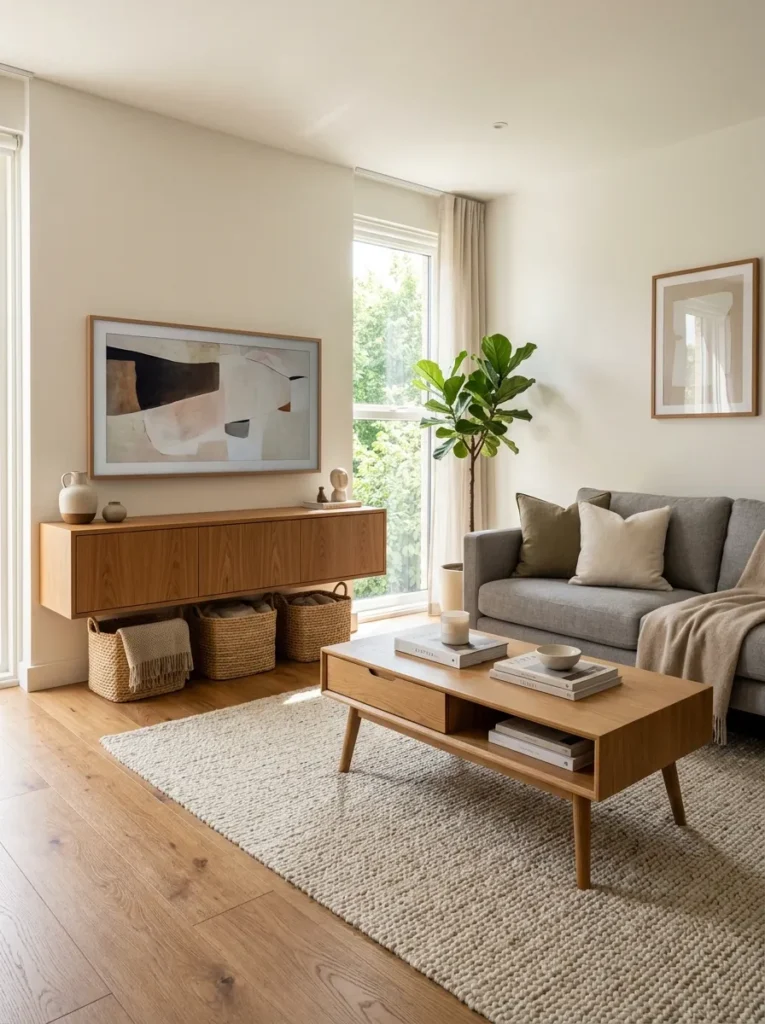
Visible cords, remotes, and everyday clutter make a small room feel messier than it is. Use small baskets, cord organizers, or a drawer in your coffee table to keep loose items out of sight.
25. Add One Bold Focal Point
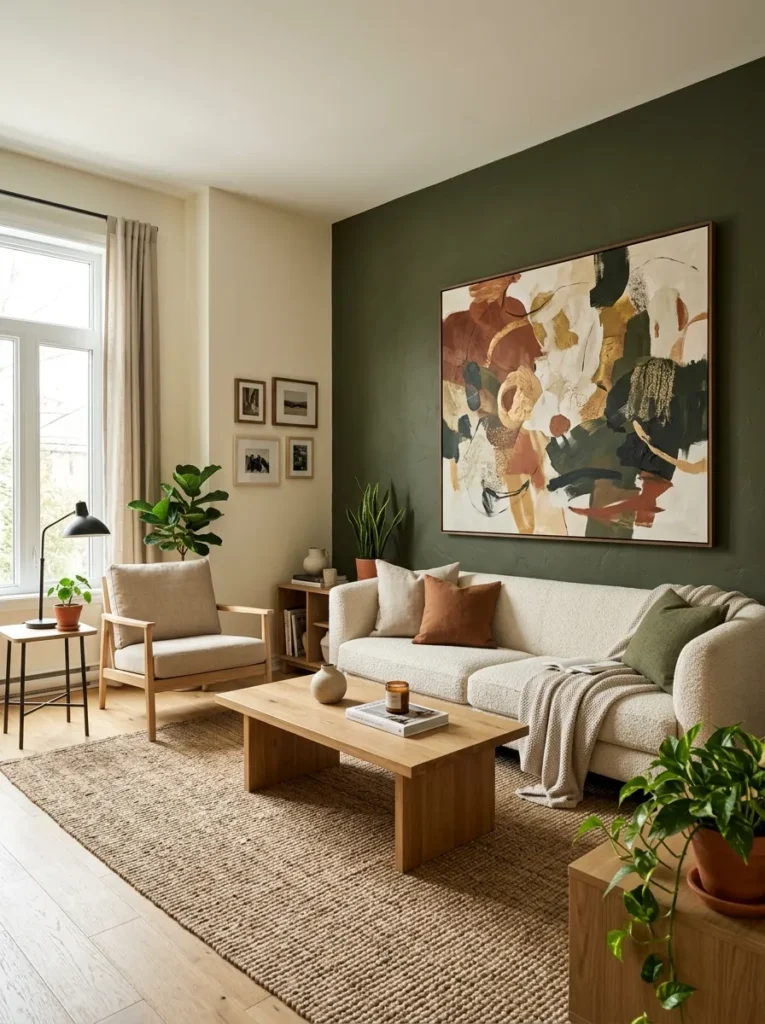
A small room doesn’t have to be plain. Choose one bold element, like an accent wall, a patterned rug, or a striking piece of art, and let everything else stay simple around it. One strong focal point reads as intentional rather than crowded.
Final Thoughts
Decorating a small living room is really about making smart choices rather than doing less. Light colors, multifunctional furniture, and a few well-placed mirrors can make a modest space feel open and welcoming. Focus on scale, keep your color palette simple, and let a couple of standout pieces do the talking. With these ideas, you can turn even the smallest living room into a space that feels comfortable, stylish, and completely your own.